Amaryllis
Amaryllis
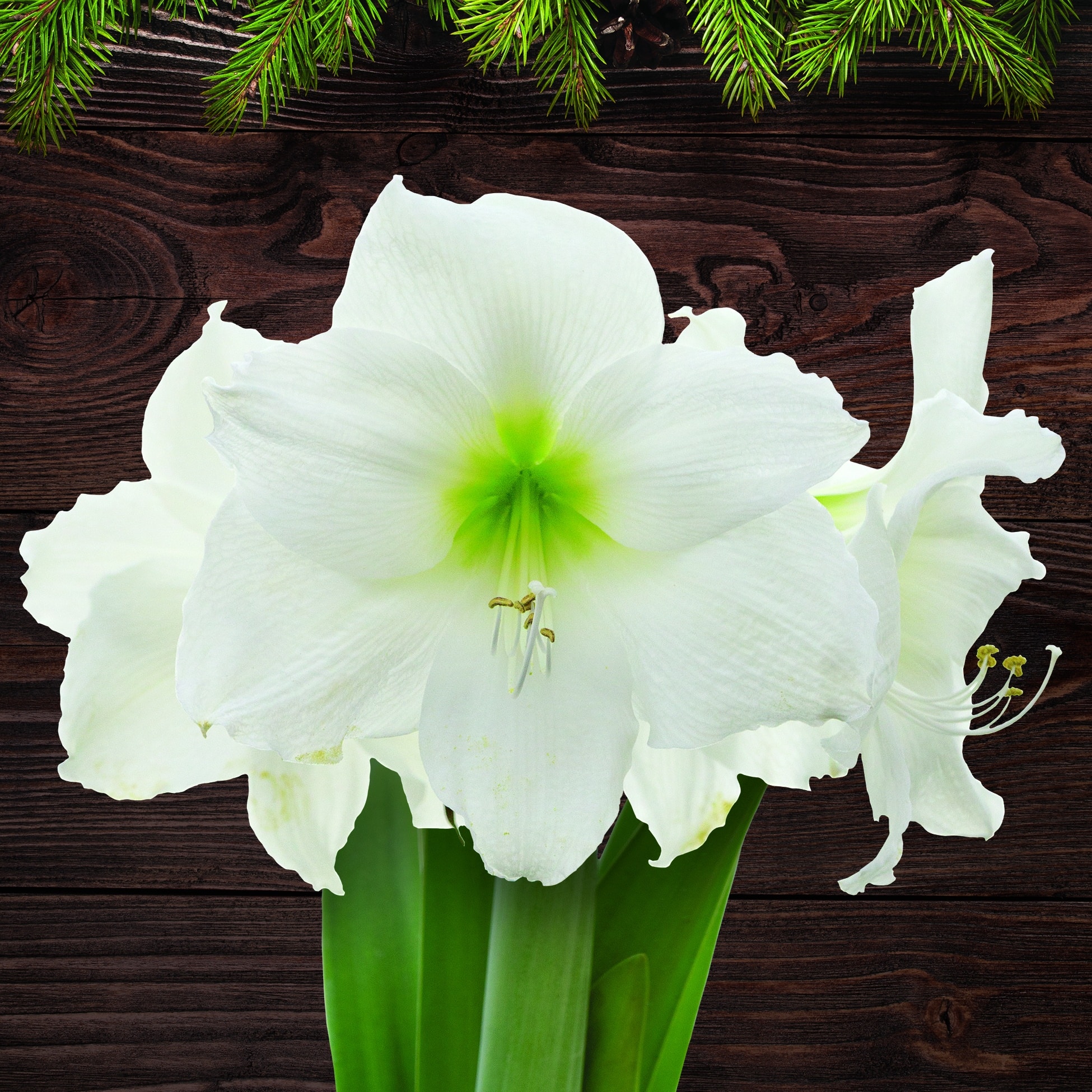
Famous for its tall stalks bearing huge, trumpet-shaped blooms in red, white, pink, or striped varieties. Grown from bulbs, it’s a showy seasonal plant that can be rebloomed year after year with proper care
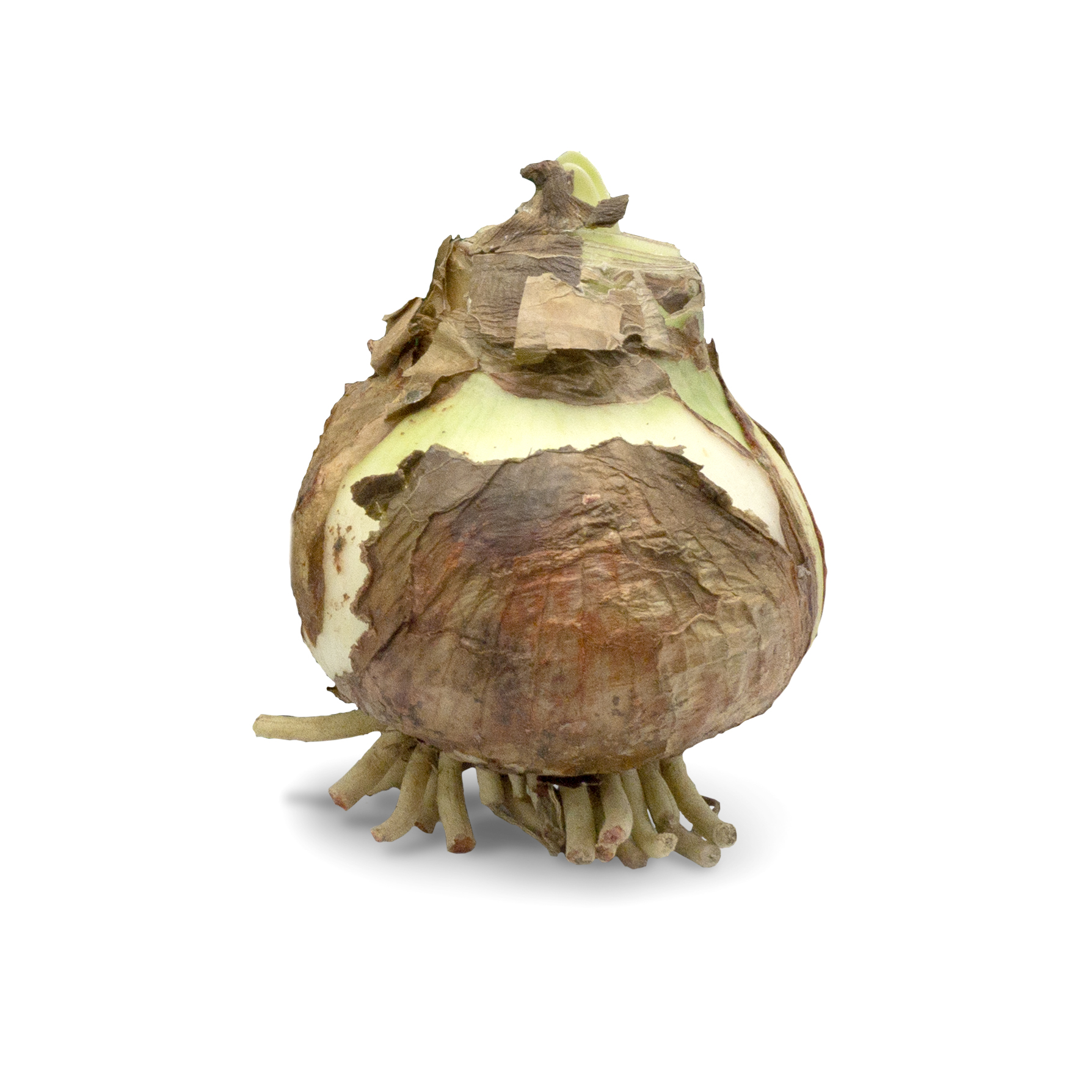
We typically grow Amaryllis bare-root bulbs in various colors/varieties and bulb sizes
Common Name:
Amaryllis
Mature Size:
Indoors: 18–24 in tall × 8–12 in wide
Growth Rate:
Moderate grower
Optimum Temperature:
60-70 degrees Fahrenheit
Characteristics:
Bulb plant with tall flowering stalks and large trumpet flowers. Grows seasonal leaves; has a natural dormancy cycle
Light:
Indoor: Bright, indirect light during growth/flowering. Dormant bulbs need cool, dark storage until regrowth begins
Water:
Indoor: Check the soil every few days; water when the top 1 inch is dry
Outdoor: Keep soil evening moist
Fertalizer:
Monthly during leaf-growth period with high-phosphorus fertilizer after bloom to rebuild bulb strength
Common Pests/Issues:
Pests: Mealybugs, aphids, bulb mites
Diseases: Red blotch (Stagonospora curtisii), basal rot, gray mold
Additional Notes:
After your amaryllis finishes blooming, cut off the spent flower stalk but leave the leaves to continue growing. Place the pot in bright, indirect light and water regularly, adding a balanced fertilizer every few weeks to strengthen the bulb. In late summer or early fall, stop watering and let the foliage die back so the bulb can rest for 8–10 weeks. After this dormant period, repot or refresh the soil, begin watering again, and place it in a sunny spot—the bulb should then produce new blooms