Ferns
Ferns are lush, leafy, non-flowering plants known for their feathery fronds and elegant, arching growth habit. They are among the oldest plant groups on Earth, reproducing through spores rather than seeds or flowers. Commonly used as ornamental houseplants, ferns bring a soft, tropical touch to indoor spaces.
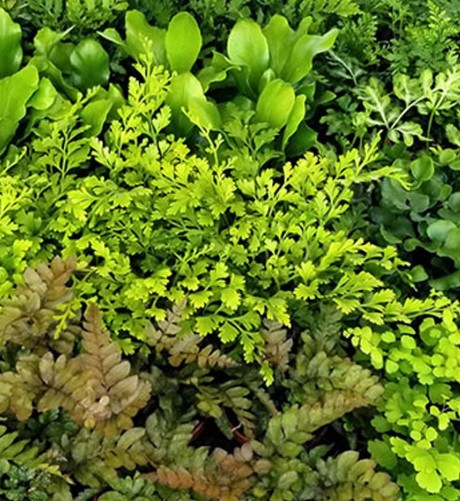
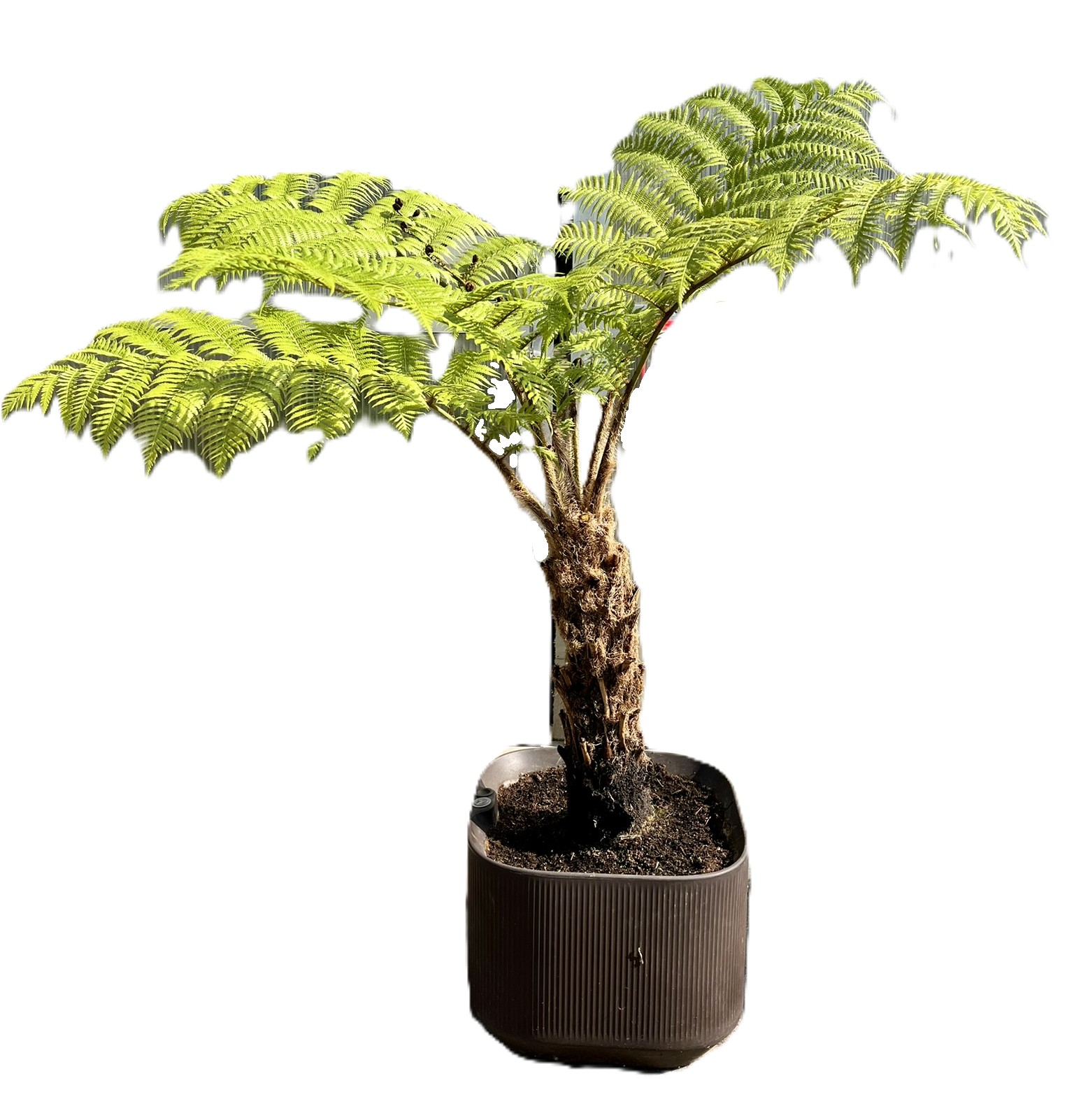
While we grow a number of different varieties of fern plants we most commonly sell individual ferns through “grower choice” selection or in combination pots where 2-3 different varieties of ferns are growing in one pot. We do sell some tree ferns as named varieties and are usually in 8″ or larger pot sizes. Likewise we produce both staghorn and elkhorn ferns and sell them as named varieties most commonly in 6″ pots or wooden baskets/plaques.
Common Name:
We mostly sell non-specific varieties of ferns but do sell Australian and Brazilian tree ferns as well as staghorn and elkhorn ferns by name.
Mature Size:
Ferns vary widely in size depending on the species- from tiny groundcovers to tree like giants. OWG Grows most ferns as smaller cultivars but does also grow some large tree fern counterparts.
Growth Rate:
Moderate; faster in high humidity and bright, indirect light.
Optimum Temperature:
60-75 degrees Fahrenheit
Characteristics:
Ferns are, non-flowering plants recognized for their graceful, feather-like fronds that unfurl from curled fiddleheads. They reproduce by spores instead of seeds or flowers and typically thrive in shaded, humid environments. Most grow in clumping forms from rhizomes, though some can be epiphytic, and they range in size from small indoor varieties to towering tree ferns.
Light:
Indoor: Well-lit room, bright indirect light. Avoid direct sun.
Water:
Indoor: Keep the soil consistently moist but not soggy. Ferns dislike drying out completely.
Fertalizer:
Feed monthly during spring and summer with a balanced, diluted houseplant fertilizer. Do not fertilize your ferns during the winter.
Common Pests/Issues:
Watch carefully for spider mites, mealybugs, and scale insects on this plant’s foliage. Leaf drop or browning fronds may occur from low humidity or irregular watering
Additional Notes:
We do not recommend growing the majority of our ferns in outdoor environments; even during the summer. The temperature swings and quick changes in sunlight can harm the plant. The exception would be our tree ferns. These plants do well outdoors during the warmer summer months if they receive bright indirect light (no direct sunlight), are watered consistently, and have enough humidity.